





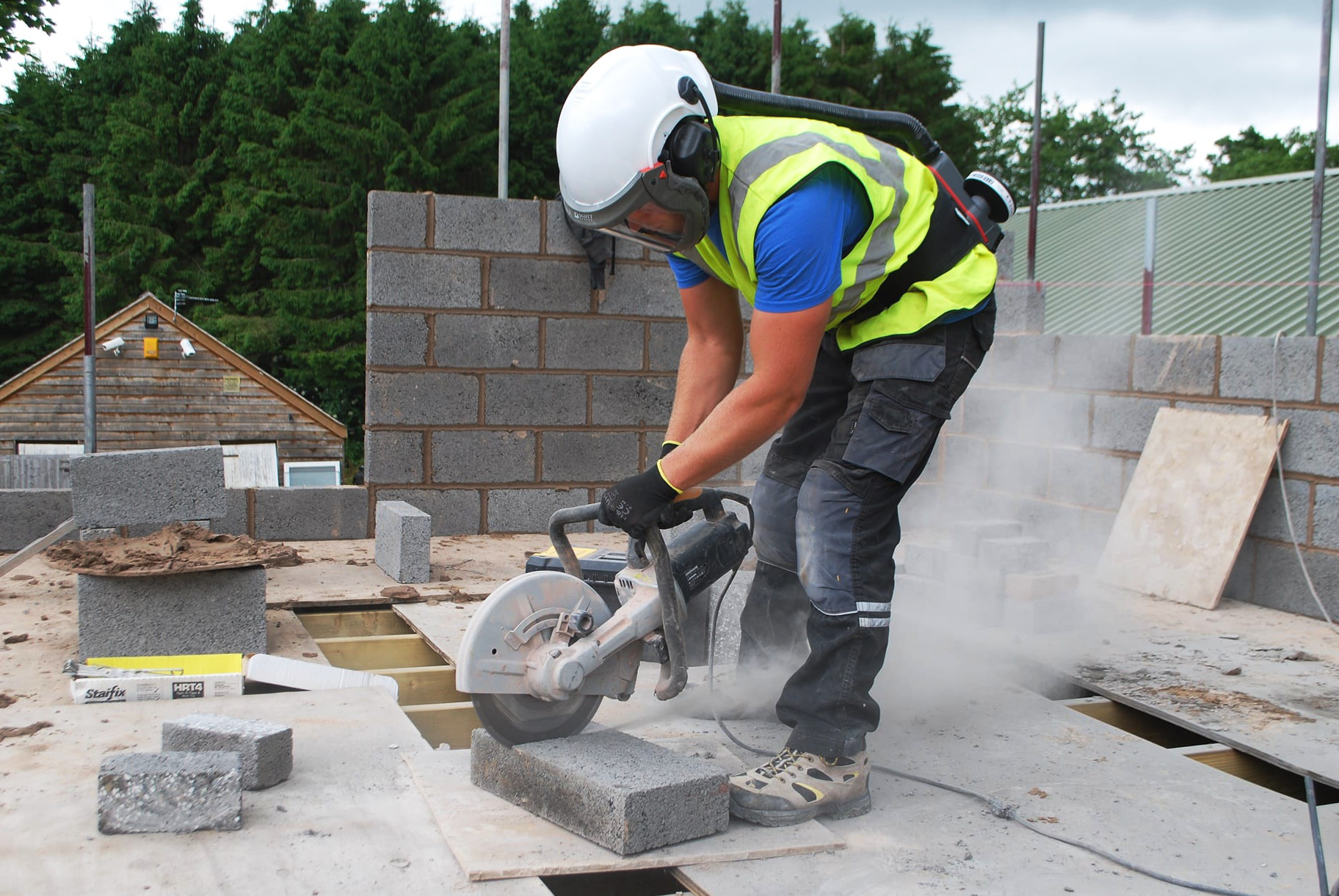
Construction Safety Week is a dedicated moment for the industry to focus on the risks that matter most. While immediate hazards are straightforward to prioritize, it also creates space to address less visible factors—like noise—that can significantly impact worker safety. So without attempting to hijack we will look at the area that affects almost every site, noise.
Noise: More Than a Hearing Problem
On construction sites, noise is often treated as a compliance issue—managed with hearing protection and monitoring. But excessive noise has wider implications that go beyond long-term hearing damage.
High noise levels can contribute to:
- Cognitive fatigue and reduced concentration
- Slower reaction times
- Elevated stress levels
- Reduced situational awareness
In dynamic, high-risk environments, these effects can increase the likelihood of incidents.
When Communication Breaks Down, Risk Increases
Clear communication is fundamental to safe operations. However, excessive noise can:
- Mask or distort verbal instructions
- Lead to misheard directions or warnings
- Prevent workers from hearing alarms, reversing signals, or approaching hazards
Even brief misunderstandings can escalate quickly into dangerous situations—particularly when heavy machinery or time-sensitive tasks are involved.
Disorientation and Reduced Hazard Awareness
Noise doesn’t just make it harder to hear—it can make it harder to interpret the environment.
Workers in high-noise areas may struggle to:
- Identify the direction of sounds
- Detect moving equipment nearby
- Maintain focus during complex tasks
This disorientation can delay critical decision-making and reduce the ability to avoid hazards in real time.
Best Practices to Reduce Noise-Related Risk
Managing noise effectively requires a layered approach it is never a one stop solution
1. Engineering Controls
- Select quieter equipment where possible however this is not always possible
- Isolate high-noise processes to localise the hazard
2. Site Planning
- Separate noisy operations from other work areas or use screening where not practical
- Schedule high-noise activities strategically however this may be constrained by local ordinances or site schedules
3. Communication Systems
- Use radios, signals, and defined protocols make sure all employees understand even occasional visitors who are often overlooked
- Reinforce instructions through pre-task briefings, though this is necessarily localised and cannot be site wide
4. Hearing Protection
- Ensure correct use and fit
- Support PPE with broader safety awareness
Reducing Noise at the Source
One of the most effective ways to improve safety is to reduce noise before it reaches workers by reducing it as close to the source as possible
Acoustic barriers can help to:
- Lower overall site noise levels
- Isolate noise at source
- Improve clarity of communication
- Reduce cognitive strain
- Support better awareness of surroundings
For complex or high-density job sites, this can make a meaningful difference in day-to-day safety performance.
Supporting Safer Job Sites
At Echo Barrier, the focus is on practical solutions that help contractors manage noise more effectively.
Temporary acoustic barriers are designed to:
- Be quickly deployed around high-noise equipment
- Reduce sound transmission across the site
- Contribute to safer, more controlled working environments
While no single measure eliminates risk, reducing noise is a practical step toward improving overall site safety—aligned with the goals of Construction Safety Week.
Noise may not always be visible, but its impact is constant.
As the industry continues to push for safer job sites, recognising noise as a core safety factor—not just a compliance requirement—can help prevent incidents, improve communication, and protect workers over the long term.
You can read more about Construction Safety Week and the excellent work they do here: https://www.constructionsafetyweek.com/
Or get in touch and discuss your project requirements.